
Cost of Tree Canopy Thinning in Fenton, MI
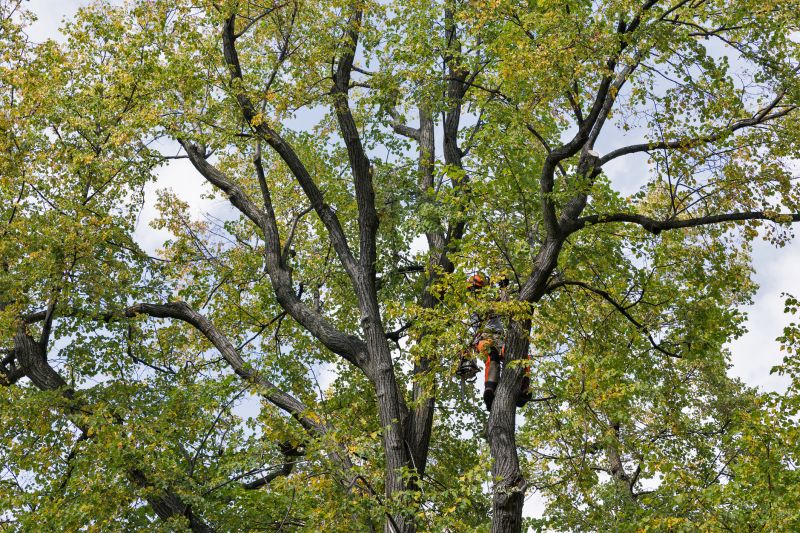
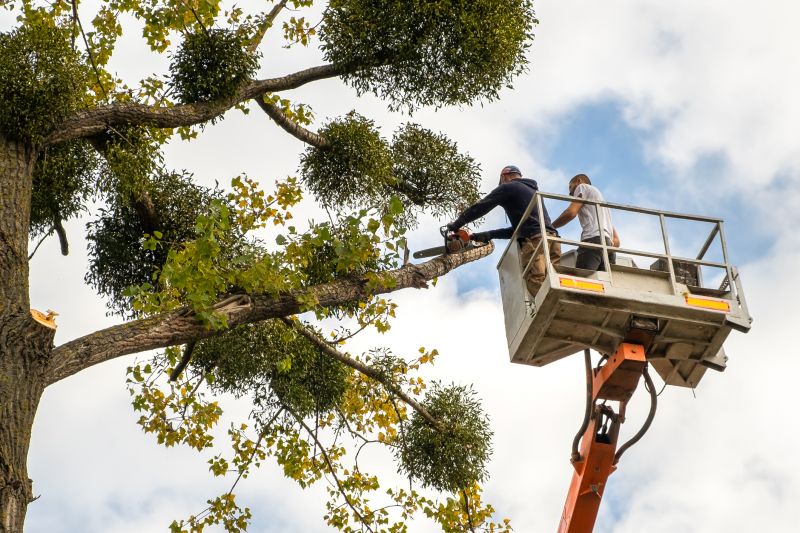
Tree canopy thinning in Fenton, MI, involves selectively removing branches or sections of a tree to reduce its density. The overall cost for this service can vary depending on factors such as the size and number of trees, the extent of thinning required, and the specific site conditions. Materials and labor costs are also key components that influence the final price. It is important to consider that each project has unique requirements, which can impact the overall expenses.
Final pricing for tree canopy thinning projects in Fenton, MI, is typically determined by the scope of work, the complexity of the site, and any additional materials or equipment needed. Since conditions can differ significantly from one location to another, it is advisable to obtain detailed estimates that reflect the specific needs of each project. Comparing options and understanding the various factors involved can help in making informed decisions about tree management services.
Estimated Cost Range
$1,200 - $2,800 (smaller scope)
$3,000 - $6,000 (moderate scope)
$6,500 - $12,000 (larger scope)
$2,000 - $4,500 (partial thinning)
$4,500 - $9,000 (full canopy thinning)
| Project Type | Typical Range |
|---|---|
| Selective Thinning | $1,200 - $2,800 |
| Partial Canopy Thinning | $2,000 - $4,500 |
| Full Canopy Thinning | $4,500 - $9,000 |
| Storm Damage Thinning | $3,000 - $6,000 |
| Urban Tree Thinning | $1,500 - $3,500 |
| Park/Area Thinning | $5,000 - $12,000 |
Key Cost Influencers
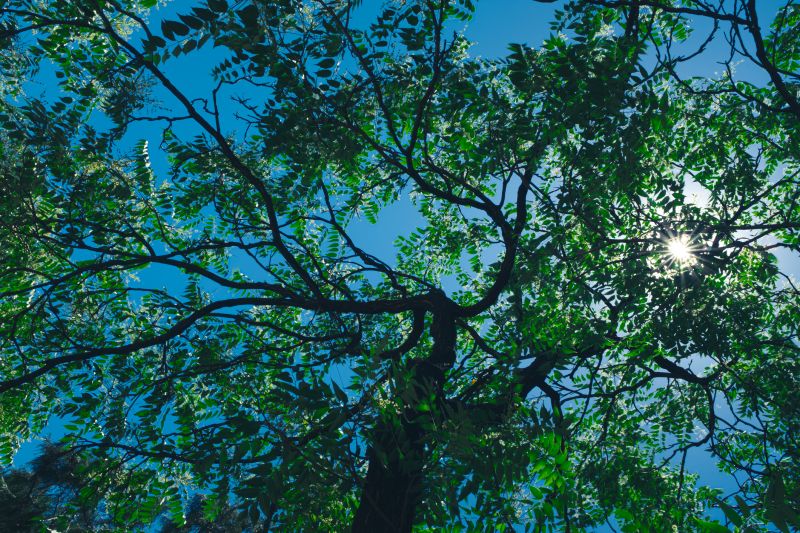
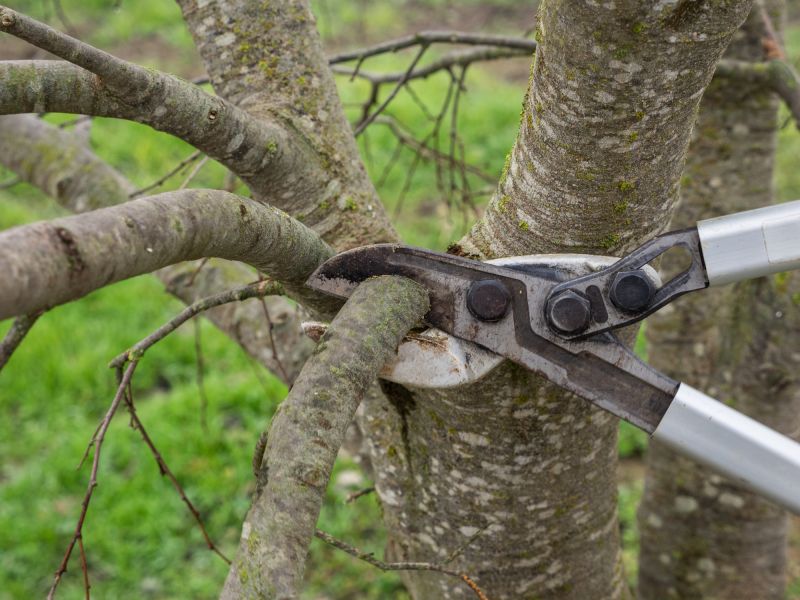
Tree canopy thinning in Fenton, MI, involves selectively reducing the density of tree branches and foliage to improve sunlight penetration, reduce wind resistance, and promote healthier growth. The scope and complexity of these projects can vary based on the size of the trees and the desired outcomes. Understanding typical project considerations can help in planning and budgeting for canopy thinning efforts.
- Materials typically include pruning tools, safety gear, and disposal containers; no special materials are usually required beyond standard arborist equipment.
- The size and scope depend on the number of trees and the extent of thinning, ranging from small individual trees to larger property-wide projects.
- Labor complexity varies with tree height, density, and accessibility, often requiring skilled pruning techniques for healthy results.
- Permitting requirements may be necessary depending on local regulations or if protected tree species are involved; it is advisable to check with local authorities.
- Additional services such as debris removal, pruning assessments, or follow-up maintenance can be included as extras.
Project Size Considerations
| Scope/Size | Typical Range |
|---|---|
| Small trees (less than 20 feet) | 1-3 branches per tree |
| Medium trees (20-40 feet) | 3-5 branches per tree |
| Large trees (over 40 feet) | 5-8 branches per tree |
| Overall canopy coverage reduction | 10-25% |
In Fenton, MI, typical tree canopy thinning projects aim to improve light and air circulation while maintaining the health of mature trees.